
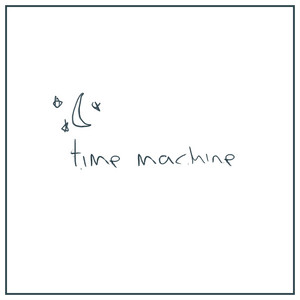
La música y compositora estadounidense Lindsay White comparte el sencillo «Time Machine», una canción que explora el lado más profundo, íntimo y emocional de distintos matices del folk. Su personalidad brillante nace principalmente de la guitarra, que establece un diálogo perfecto con la voz y su interpretación, alimentándose mutuamente para hacer que las emociones de la pista crezcan y se transmitan de manera natural a los oyentes.
La canción explora de forma empática, particularmente, la pérdida del exesposo de White. Funciona no solo como un homenaje al pasado juntos, sino como un documento que da cuenta del amor y la conexión que compartieron como pareja. Sin duda, su narrativa, reflexiones y emociones conectarán de manera directa con los corazones de los oyentes, no solo para quienes viven el duelo, sino para todos aquellos que abren el corazón de manera empática a través de la música.
Time Machine: Esta canción fue escrita después de recibir la noticia de que mi exmarido Benny había muerto. Desde nuestro divorcio, tuve cuidado de darle el espacio que él necesitaba, pero siempre tuve la esperanza (contuve la respiración) de que algún día pudiéramos redefinir nuestra relación como amigos. Esta canción lamenta el hecho de que no puedo retroceder en el tiempo (ponerme en una máquina del tiempo) y comprenderme a mí mismo y a mi identidad queer más plenamente (hice lo mejor que pude) para evitar que él saliera lastimado después de mi salida del armario. Se remonta a nuestro tiempo juntos en mi último año de universidad: vivíamos como vampiros, yo escribía mi tesis y él trabajaba en el turno de su restaurante hasta altas horas de la madrugada. Terminaríamos con todo eso, recorreríamos la carretera en su Cutlass hasta el departamento de Glendale que compartía con mi hermana, y nos detendríamos en Vons en el camino para tomar un poco de vino y chocolate. Veíamos a Conan en su pequeño televisor, nos quedábamos despiertos riendo y hablando, nos desmayábamos abrazados y luego nos despertábamos al mediodía y lo volvíamos a hacer. Hay mucho más que quiero decir y todavía no puedo expresar con palabras, así que solo diré que amaba y sigo amando a Benny y espero que ahora esté en paz (espero que puedas descansar). Fue realmente algo especial. eso se nos escapó a ambos durante mucho tiempo. Por eso trabajamos entonces y por eso finalmente no trabajamos más tarde.
Te reirás, llorarás, llamarás a tu terapeuta. Con influencias que van desde Bob Dylan hasta Ani DiFranco, la composición de Lindsay White se ha ganado el reconocimiento del Telluride Bluegrass Festival, el Kerrville Folk Festival y la American Songwriter Magazine. Su último LP, Lights Out, debutó en el puesto número 2 en las listas de compositores de iTunes, fue nombrado Álbum del año por Global Texan Chronicles y obtuvo un SDMA como Mejor compositor. Los sencillos posteriores se ubicaron en iTunes y obtuvieron nominaciones adicionales a SDMA, incluida una victoria en 2022 como Mejor Canción Folklórica/Acústica. White fue nombrada una de las «15 artistas musicales lesbianas/bi/queer que necesitas conocer» por AfterEllen.com. Ha sido telonero de actos como The Lone Bellow, David Crosby, Steve Poltz, Susanna Hoffs y Raining Jane. White también es escritora, cuyo trabajo explora el género, la identidad queer, la salud mental, la defensa del duelo, la justicia social y más. En 2022, presentó Qulyn (qulyn.com), una línea de revistas de bolsillo «para personas con sentimientos». Actualmente está trabajando en una memoria de no ficción llamada «Dead Mom Walking» sobre la experiencia alucinante, enuresis y desgarradora de reconciliarse con su madre fallecida y separada a través de la mediumnidad. En la comunidad: de 2018 a 2021, Lindsay White fue la fundadora y organizadora de Lady Brain Presents, un colectivo de mujeres locales y creativas no binarias. Desde 2020, es voluntaria en We All We Got SD, una ayuda mutua local centrada en la alimentación y la justicia social.
Lindsay White’s «Time Machine»: A Heartfelt Folk Tribute to Love, Loss, and Connection (USA)
American musician and songwriter Lindsay White shares her single «Time Machine,» a song that explores the deeper, more intimate, and emotional side of various shades of folk. Its radiant personality is primarily driven by the guitar, which establishes a perfect dialogue with the voice and its performance, each feeding off the other to naturally convey the track’s emotions to listeners.
The song empathetically explores the loss of White’s ex-husband. It serves not only as a tribute to their past together but also as a testament to the love and connection they shared as a couple. Without a doubt, its narrative, reflections, and emotions will resonate deeply with listeners’ hearts, offering a connection not only for those experiencing grief but for anyone who opens their heart empathetically through music.
Time Machine: This song was written after receiving the news that my ex-husband Benny had died. Since our divorce, I was careful to give the space that he needed but always held out hope (i held my breath) that one day we could redefine our relationship as friends. This song laments the fact that I can not go back in time (put me in a time machine) and understand myself and my queer identity more fully (i did my best) to prevent him from getting hurt in the wake of my coming out. It harkens back to our time together in my senior year of college – we lived like vampires, me writing my thesis and him working his restaurant shift into the wee hours. We’d get done with all that, barrel down the road in his Cutlass to the Glendale apartment he shared with my sister, stopping at Vons on the way for some wine and chocolate. We’d watch Conan on his little box TV, stay up laughing and talking, pass out in a cuddle then wake up at noon and do it all over again. There’s so much more I want to say and still can’t really put into words, so I’ll just say I loved and still love Benny and I hope he is at peace now (i hope you can rest) – it was truly something that eluded us both for a long while. It’s why we worked then and why we ultimately didn’t work later.
You’ll laugh, you’ll cry, you’ll call your therapist. With influences ranging from Bob Dylan to Ani DiFranco, Lindsay White’s songwriting has earned recognition from Telluride Bluegrass Festival, Kerrville Folk Festival, and American Songwriter Magazine. Her latest LP Lights Out debuted #2 on the iTunes Songwriter charts, was named Album of the Year by Global Texan Chronicles, and earned an SDMA for Best Songwriter. Subsequent singles have charted on iTunes and earned additional SDMA nods, including a 2022 win for Best Folk/Acoustic Song. White was named one of «15 Lesbian/Bi/Queer Musical Artists You Need to Know» by AfterEllen.com. She’s opened for acts such as The Lone Bellow, David Crosby, Steve Poltz, Susanna Hoffs, and Raining Jane. White is also a writer, whose work explores gender, queer identity, mental health, grief advocacy, social justice, and more. In 2022, she debuted Qulyn (qulyn.com), a line of paperback journals «for folks with feels.» She’s currently working on a non-fiction memoir called «Dead Mom Walking» about the mind-boggling, bed-wetting, gut-wrenching experience of reconciling with her estranged, deceased mother through mediumship. In the community: From 2018-2021 Lindsay White was the founder and organizer for Lady Brain Presents, a collective of local women/nonbinary creatives. Since 2020, she has volunteered with We All We Got SD, a local mutual aid centered on food and social justice.
n.
Lxs invitamos a escuchar nuestro podcast de entrevistas:
Entrevista Dani Barbar (EE.UU.) – R+
También disponible en Spotify, Apple Podcast y más plataformas:
 R+
R+ 